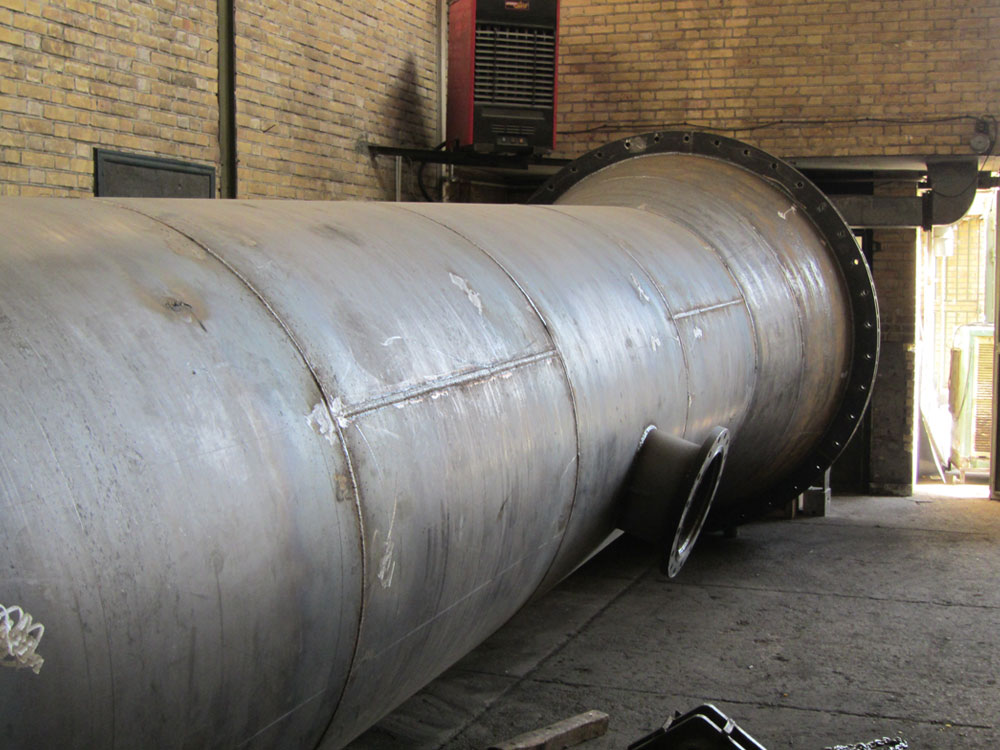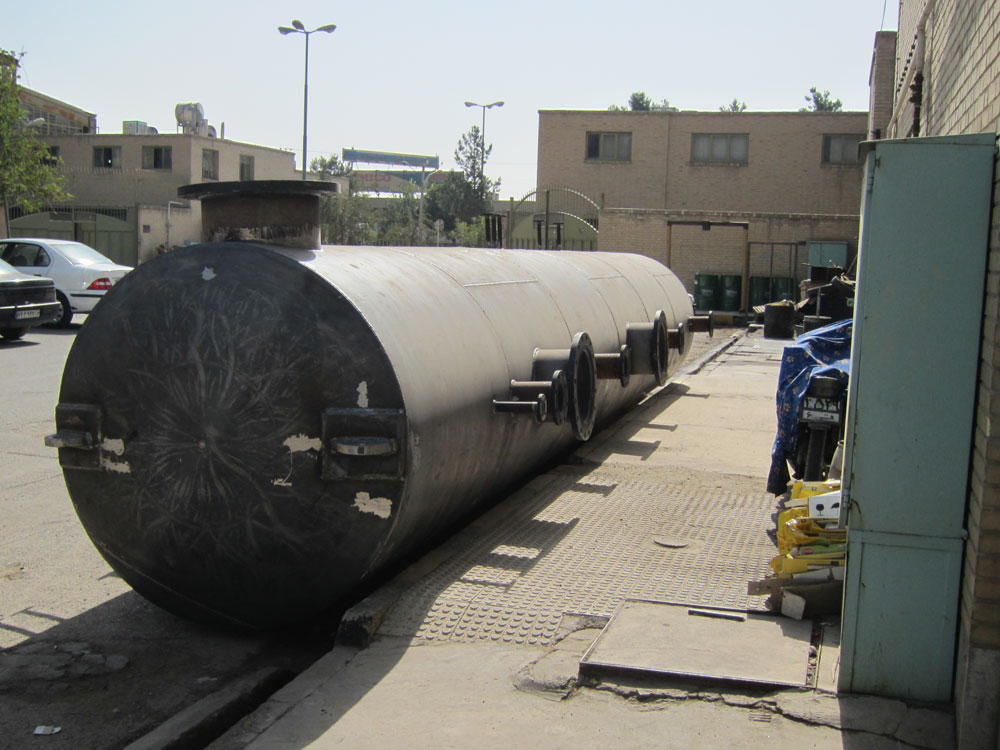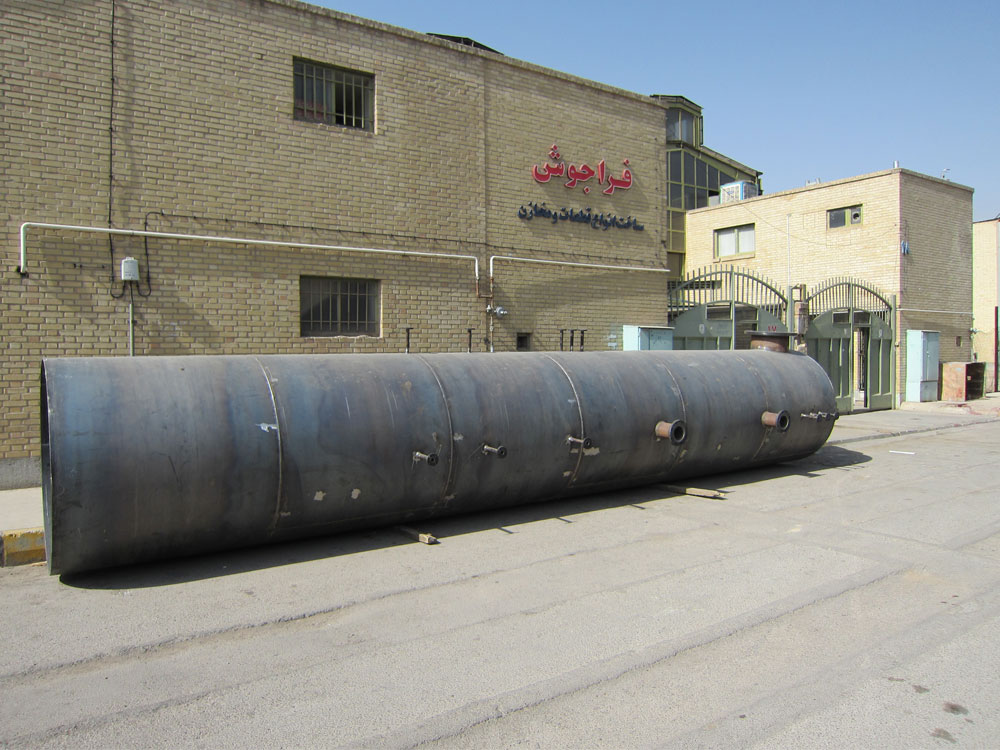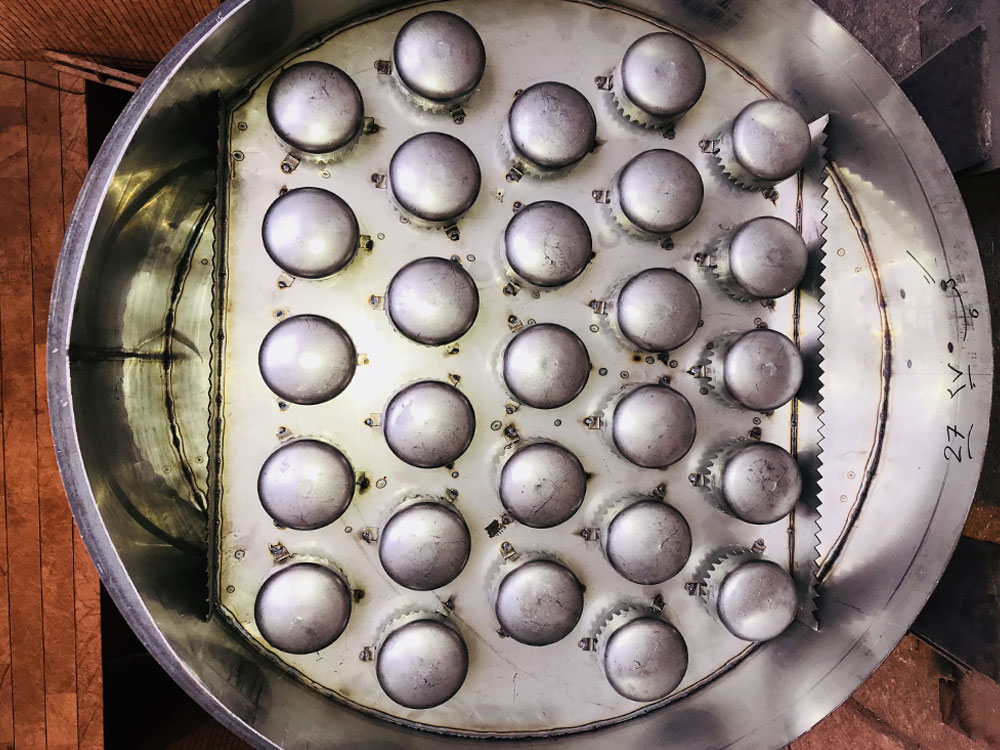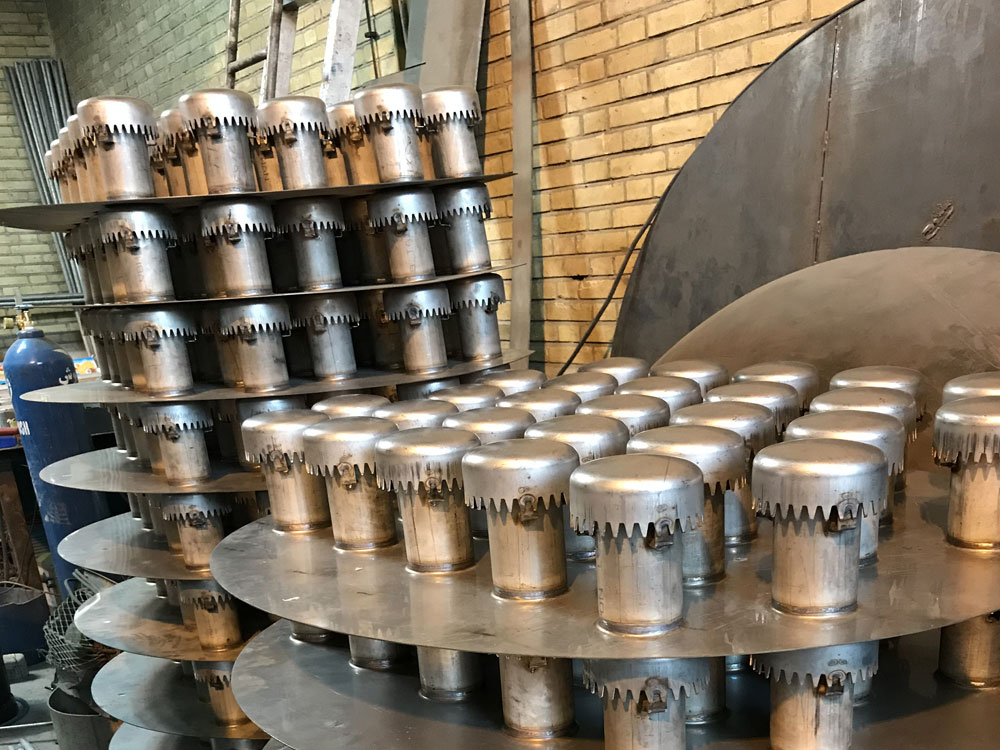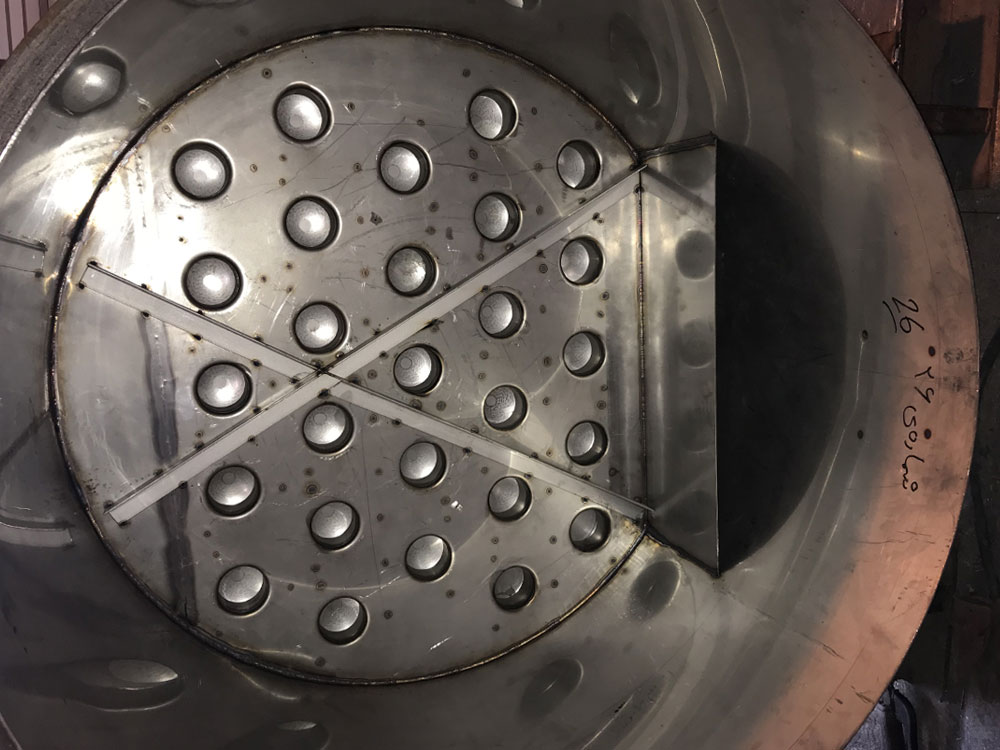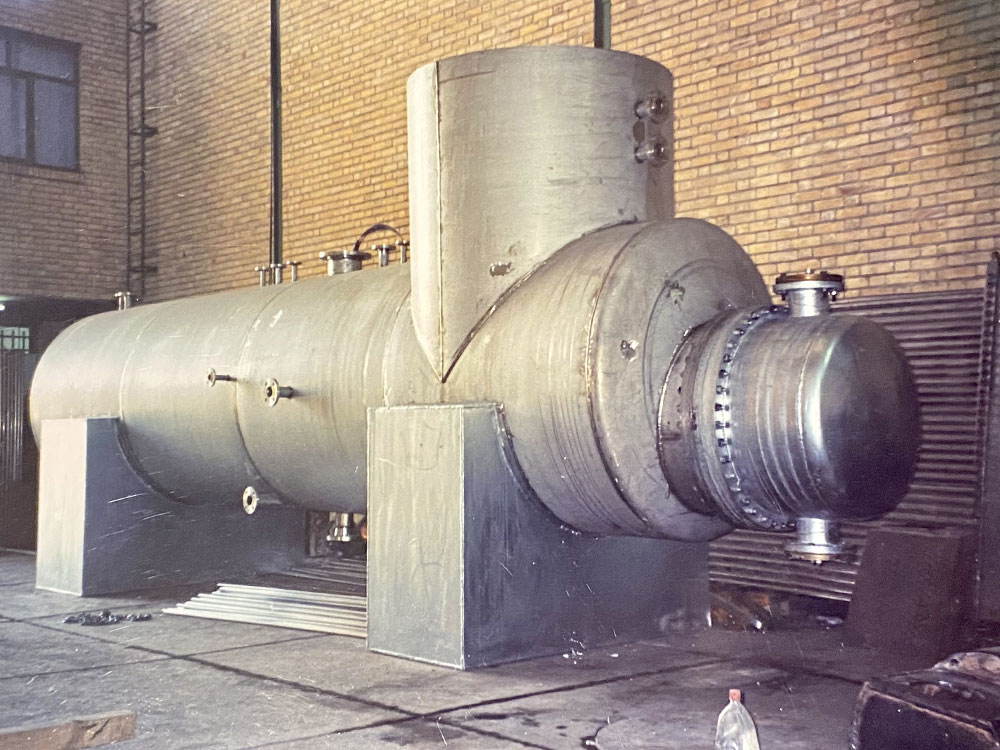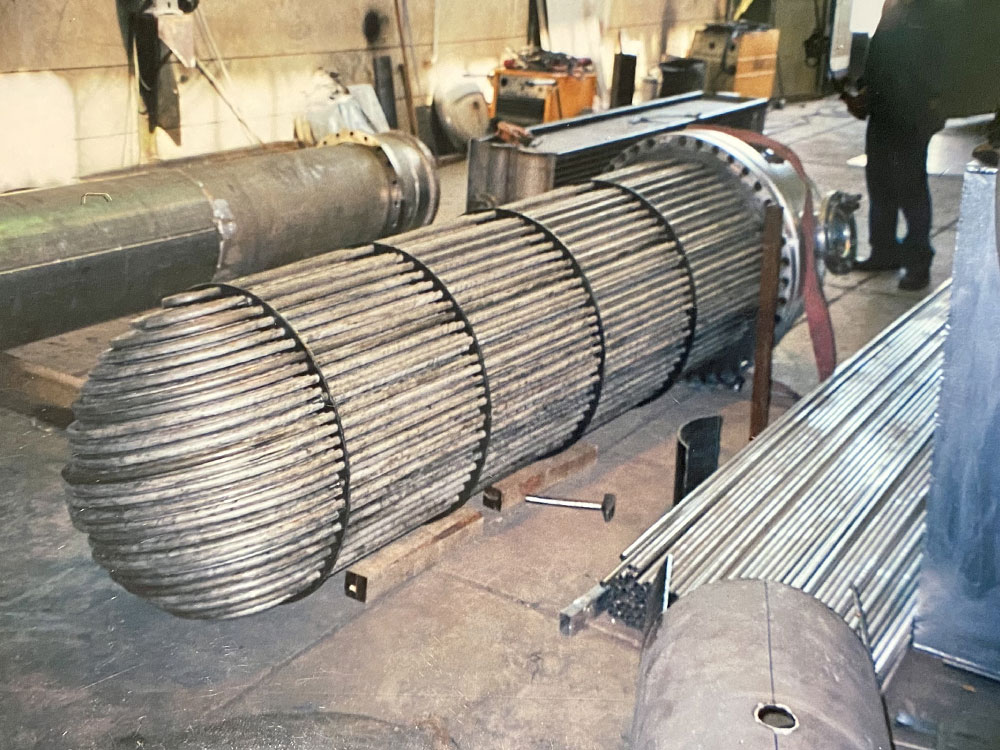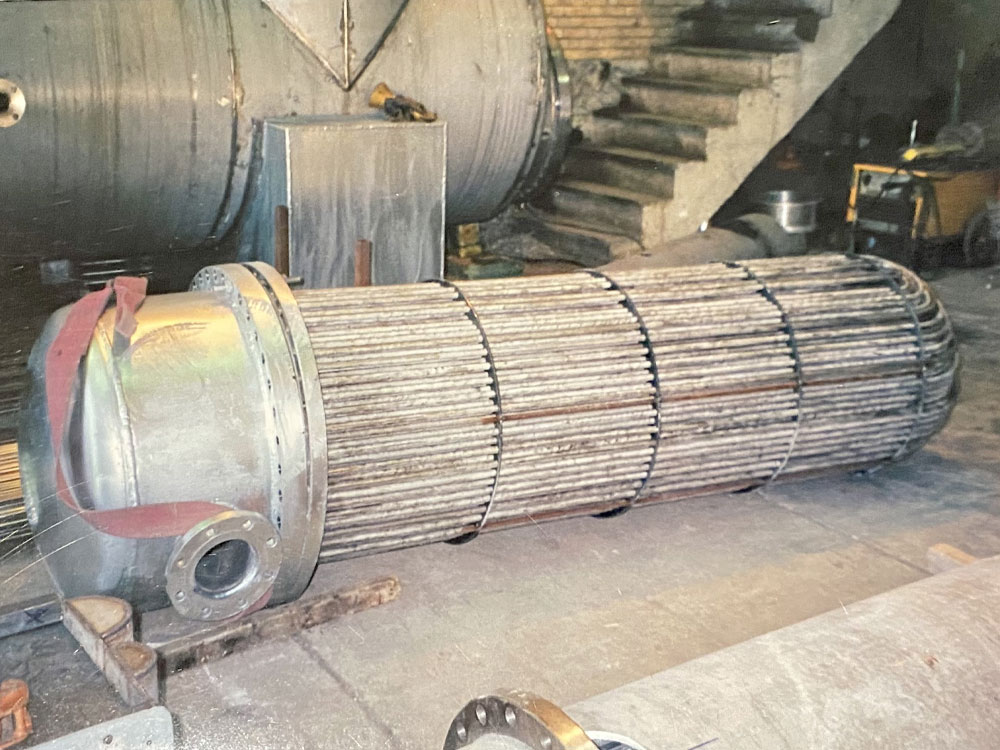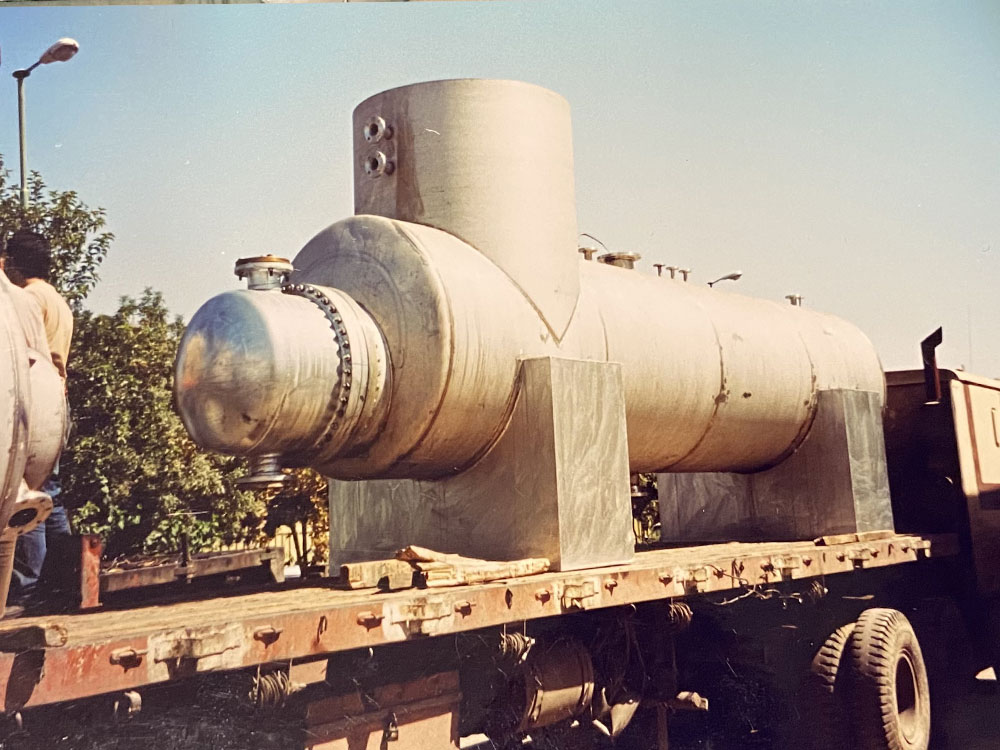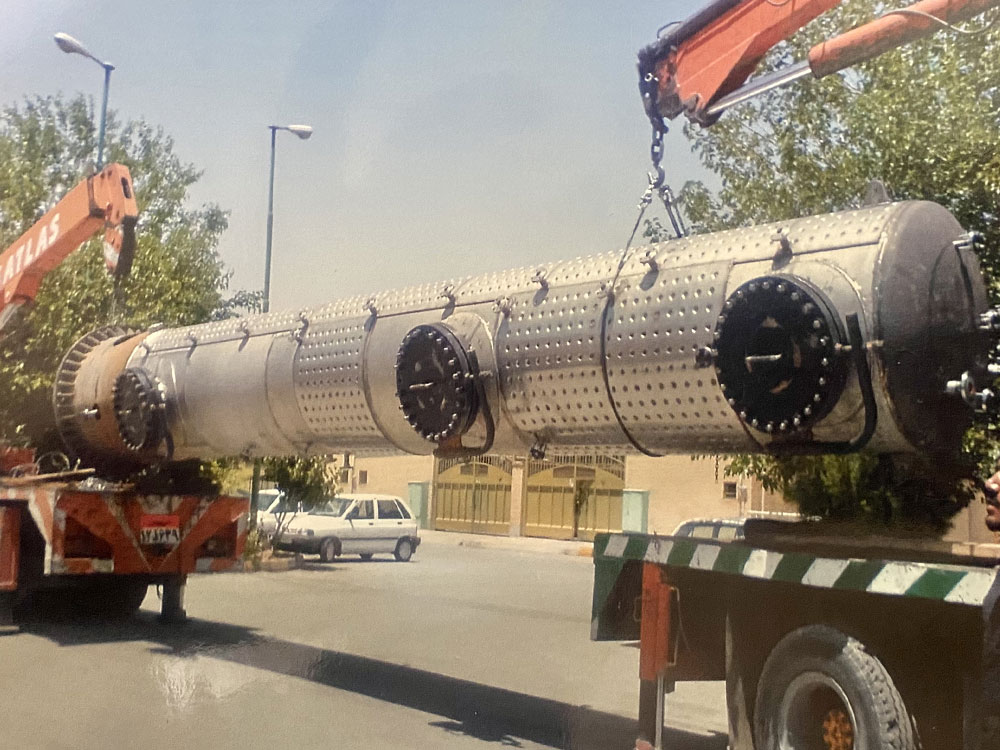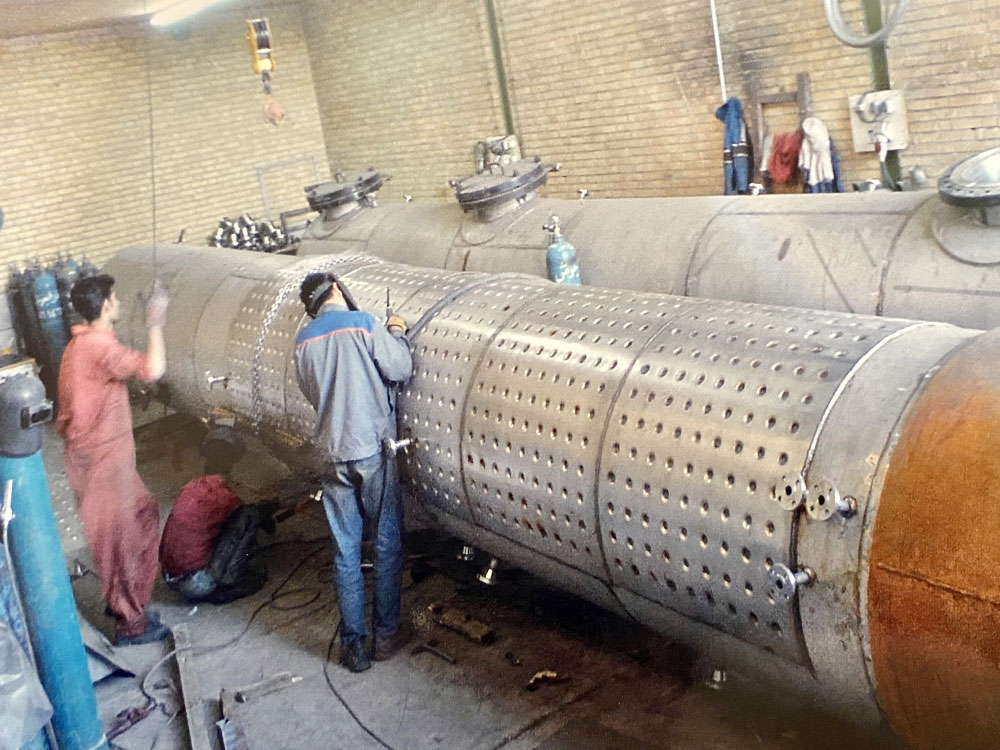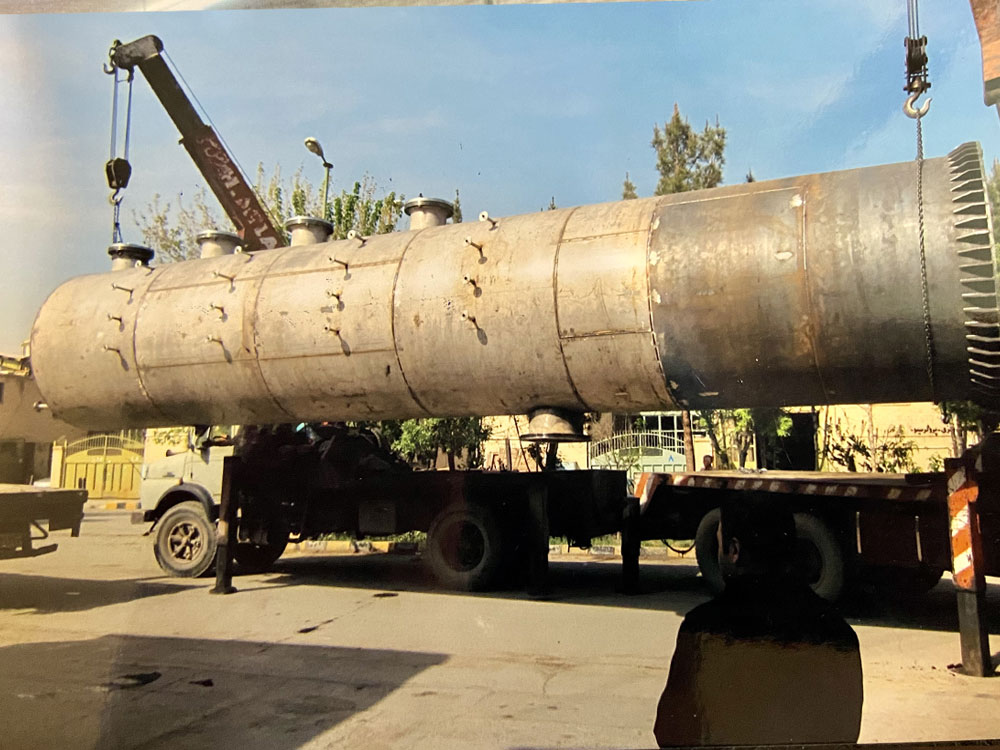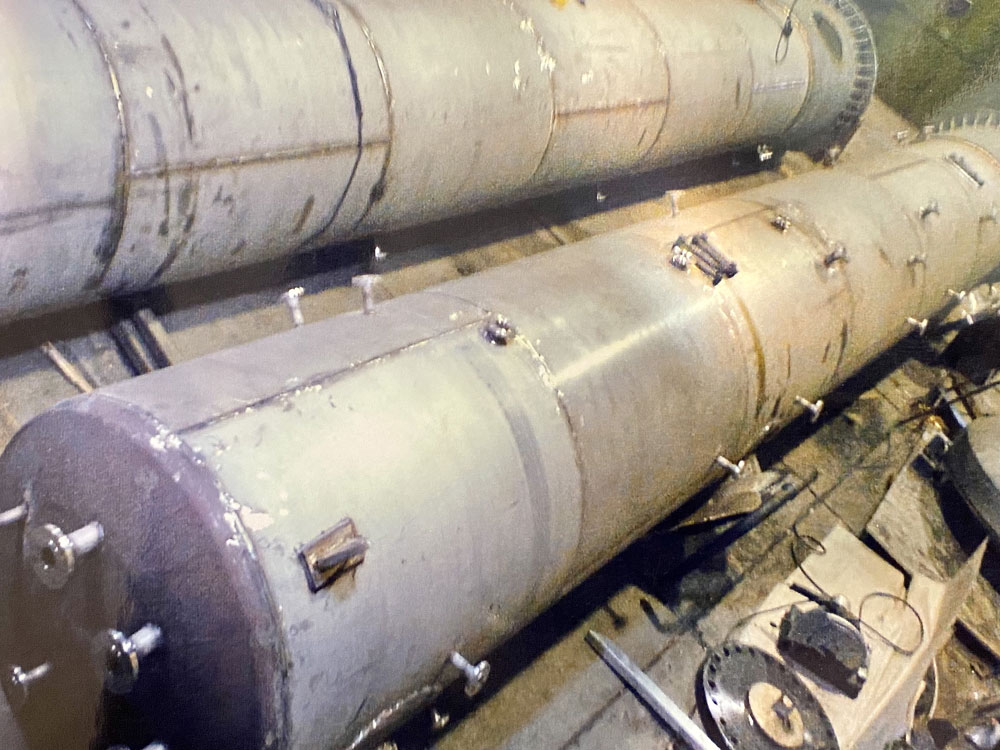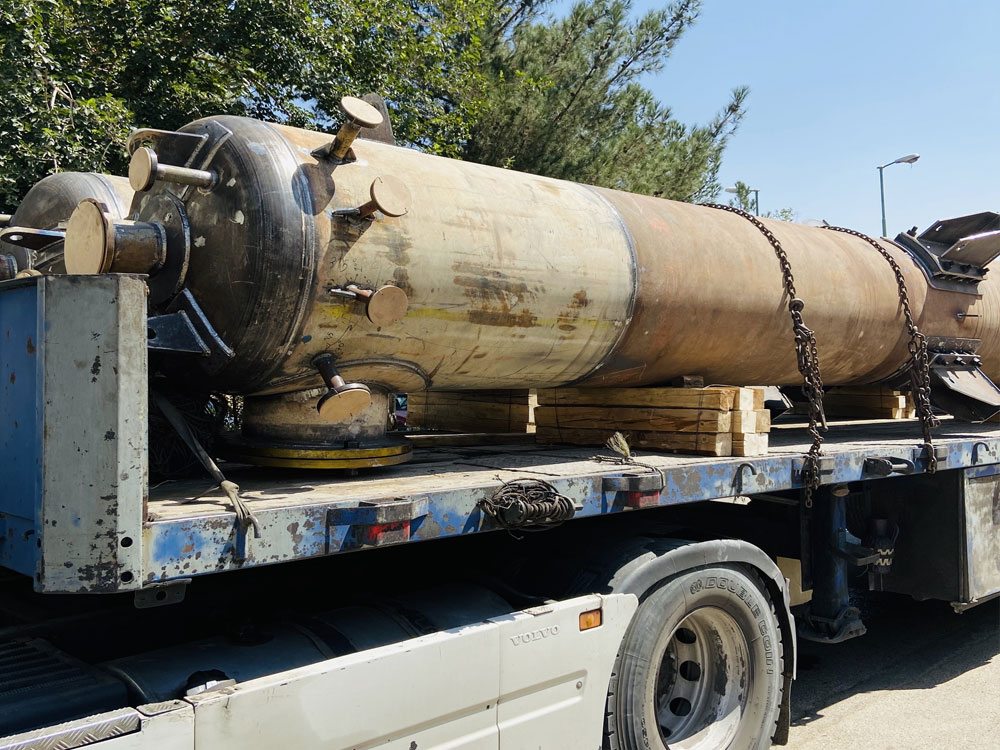
Reboilers are a group of heat exchangers that their main use is to provide heating in the lower layers of distillation columns.
There are many variations in the construction of this equipment and this has led to several factors being involved in its selection:
- The size of the reboiler and the space at our disposal
- Fluid Flow Pattern
- The ratio of the amount of generated steam to the amount of entering liquid
- Deposition or the lack of fluid
- Fluid viscosity
- Liquid level inside the tower
The most important parameter in reboiler design is the choice of its type, for which there are various sources and articles.
Here we have provided you one of the best articles in this field so that you become needless of any other sources.
There are many criteria to classify reboilers; The simplest one is to classify based on the type of fluid flow in the reboiler which accordingly, reboilers fall into two categories:
- Forced Circulation Reboiler:
They are the type of reboilers in which the fluid flow is generated by the pump. Reboilers that are usually in the form of furnace, function in this way. These types of reboilers are used when the viscosity of the processed fluid is low.
- ThermosyphonReboilers:
Those are reboilers in which the flow of fluid is done spontaneously by the force of fluid weight and there is no need for a pump. These reboilers are used when the fluid viscosity is extremely high, otherwise you cannot use the natural flow and pump must be used.
- 4 Main applicable reboilers in process and chemical engineering:
3.1 Internal reboiler
As the name implies, these types of reboilers are located inside the column and they are used when we don’t need a large surface area to transfer the heat.
The advantage of this type of reboiler is that it reduces the cost of the required equipment, but at the same time, since it is located inside the column, more time and money should be spent to repair and maintain.
4.2 Kettle Reboiler
These reboilers are used when we wish to generate a large amount of steam, since the evaporation percentage of these reboilers is above 50%.
Working with these reboilers as well as maintaining and repairing them is much easier than internal reboilers. The flow moves naturally inside and there is no need for a pump, but the problem with this type is the high cost.
5.3 Vertical Thermosyphon Reboilers
Their working mechanism is similar to shell and tube heat exchangers, so that the fluid exits the bottom of the tower and evaporates inside these exchangers, then the generated two-phase flow is returned to the tower.
The evaporation rate in these reboilers is about 30%.
6.4 Horizontal Thermosyphon Reboilers
The operation mechanism of these reboilers is similar to vertical thermosyphon reboilers and It is used only when there is no space limit.
The flow in these reboilers also moves naturally, therefore mechanically it must have specific design.
The evaporation rate in these reboilers is about 30% to 50%.
As you can see the diversity of the equipment in the industry is very wide and finally, this is the design engineer who determines which type of reboiler should be used.
All of the above-mentioned items are the most important and widely used reboilers in the industry that we have attempted to cover them entirely, and we hope they will be useful for you.
Photo Gallery