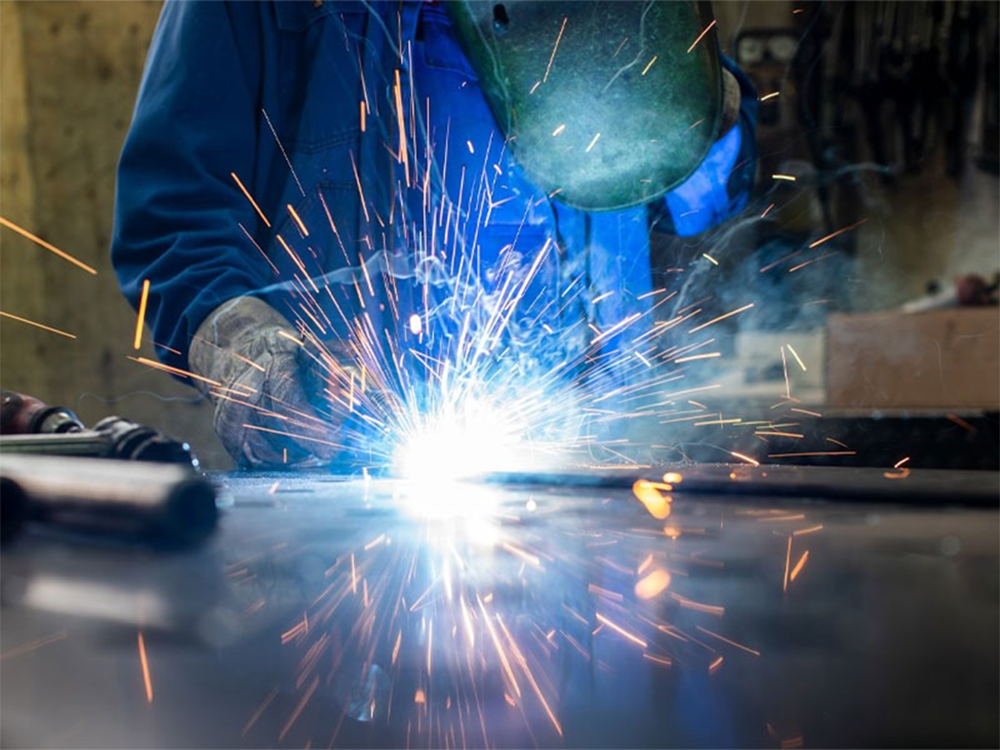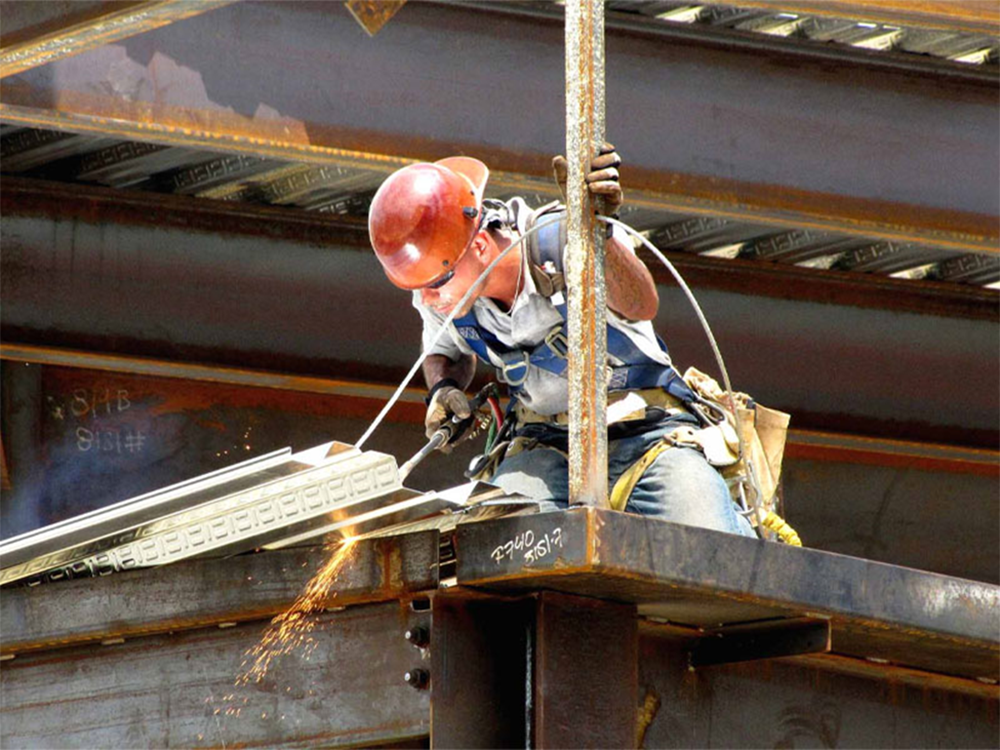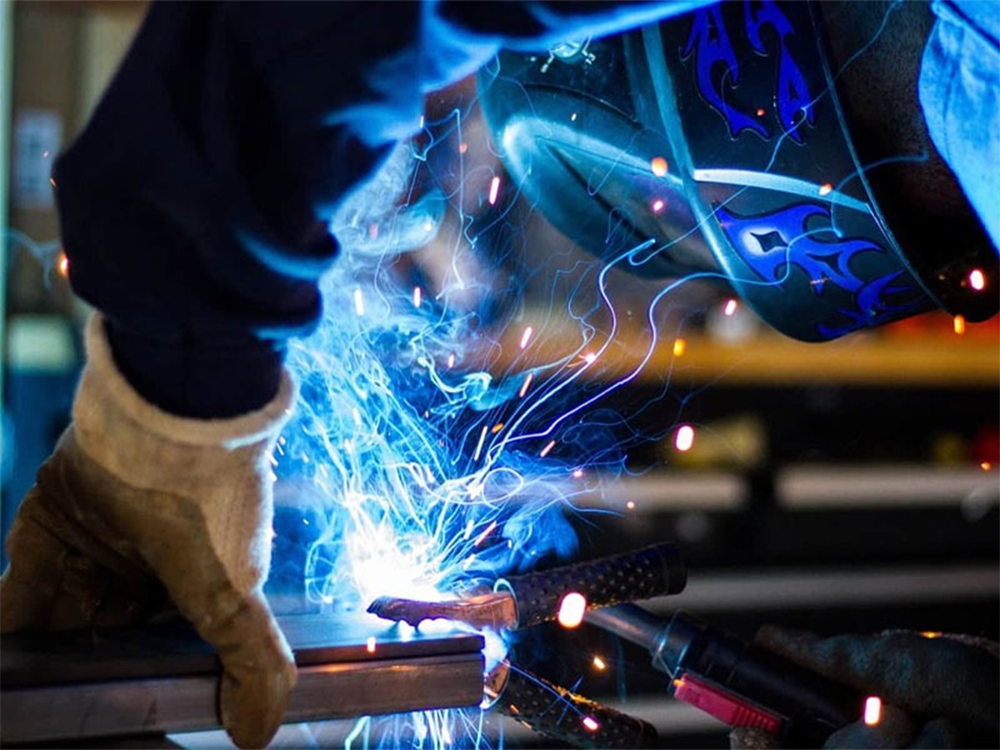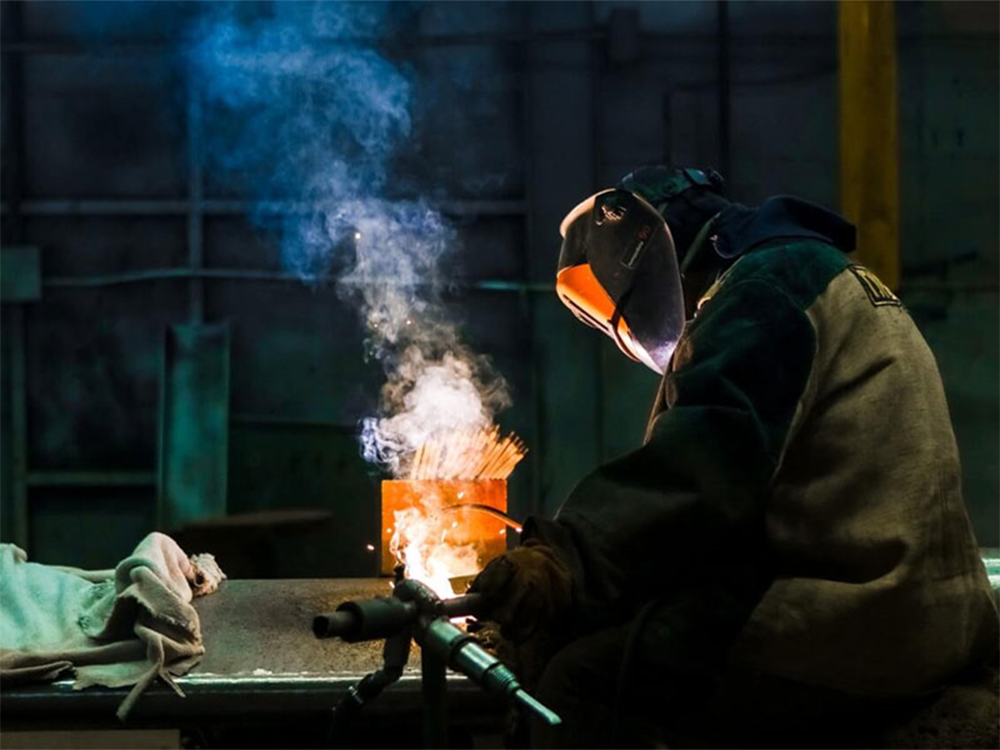
While you are learning welding, you need to learn this field from A to Z. In the meantime, what you need to consider as a prerequisite for the work is to know the different types of welding. Some welding techniques are easier to learn while others are not! But the question that often arises is: “Which welding method should be used?”
To help simplify the issue, we have important information about a variety of welding processes that we present in this article; Follow the wiki building.
Different types of welding:
Below we will discuss the diversity of welding individually:
- Gas Tungsten Arc Welding (GTAW)
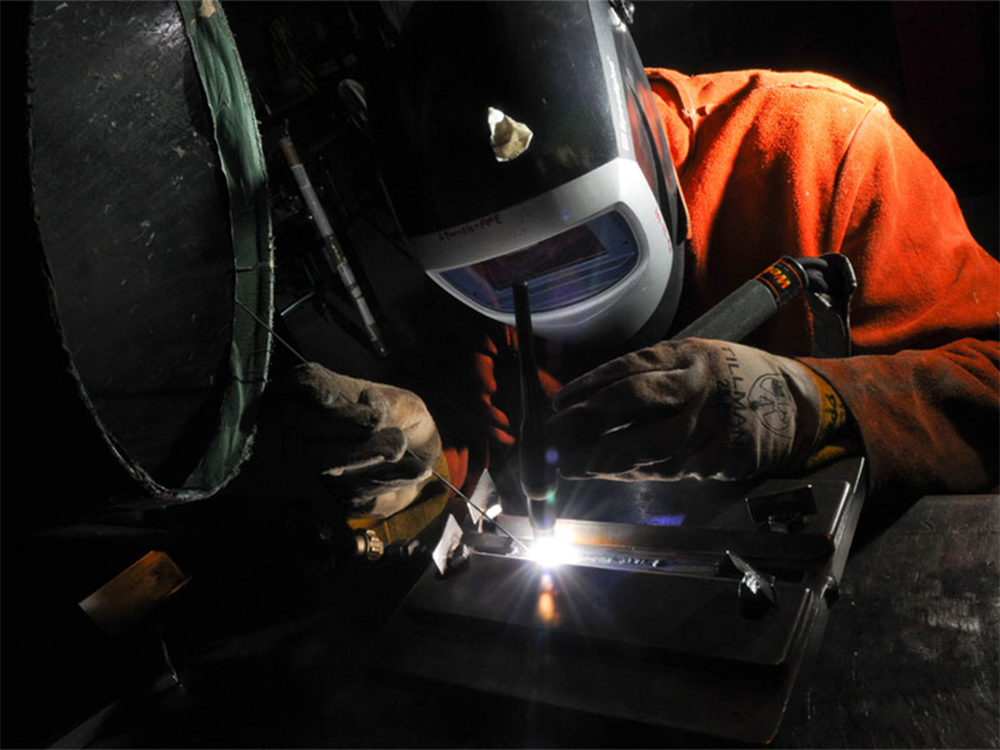
In this type of welding, non-consumable electrodes and tungsten are used. This is one of the few types of welding that can be done without filler metal and can be welded only by using these two metals. If you wish, you can add another filler metal but it must be applied by hand.
With this welding method, the gas tank is necessary to provide a required constant flow of gas for protecting the weld.
This means that this type of welding can usually be used indoors as well. Gas tungsten arc welding is a type of precise welding that creates welds with a gorgeous appearance that do not need to be cleaned, because they do not create any spatter. With the given characteristics, this type of welding is an almost difficult method that requires a skilled welder.
- Flux-Cored Arc Welding (FCAW)
This type of welding is similar to MIG. In fact, MIG welders often perform more tasks than FCAW welders. Just like MIG welding, a wire is fed through the surface of work as an electrode and filler metal; This is where things appear different.
In flux-cored arc welding, the wire has a core of flux which creates a gas shield around the weld. As a result, it eliminates the need for external gas supply.
Flux-cored arc welding is proper for thicker and heavier metals, because this method of welding is performed with high heat. Therefore, it is often used to repair heavy equipment.
This is an efficient process that doesn’t generate much waste. Since external gas is no longer required, this welding method is inexpensive. It leaves a small amount of slag and requires a bit of cleaning to make a gorgeous and perfect weld.
- Shielded Metal Arc Welding (SMAW)
This welding process began in the 1930s, but it is still in use. This weld is considered as a popular method of welding since it’s easy to learn and also has low cost to work with.
However, this method does not produce the most elegant welds, because it breaks easily. It is also necessary to purify and clean it. An “electrode” acts as a filler metal that is connected to the base metal from the end and creates a weld by being melted.
While it is creating an electric arc, it makes a cloud of gas and protects the metal from oxidation.
This gas turns into slag on the metal when it gets cool. Since it doesn’t require gas, the process can be used outdoors even in inclement weather like in rain and wind.
It also works properly on painted, filthy and rusted surfaces which helps to repair the equipment easier. This welding method is also applicable to a variety of metals, although it’s not great for thin metals. Manual welding is very skilled process and has a long learning plan.
- Gas metal arc welding (GMAW):
MIG is one of the welding types. MIG stands for metal Inert Gas and it is sometimes referred as
Gas metal arc welding (GMAW). This process is done very quickly, so that the filler metal is fed through the wand; gas leaks around in order to prevent the protection of external elements. It means it is not great for outdoor use. This method can be used for different types of metal welding at various thicknesses.
The filler metal is a consumable wire that is fed through a pulley and also acts as an electrode. When the arc is formed from the tip of the wire to the base metal, the wire melts and turns to the filler metal. This is how weld is created. The wire is continuously fed through the node and allows the welder to work at the desired speed.
Gas metal arc welding, produces a smooth and strong weld that looks very gorgeous in appearance.
- Plasma Arc Welding (PAW)
Plasma arc weld is similar to GTAW, but uses less arc and increases welding accuracy. It also has a different burner and reaches much higher temperature. The gas is pressed inside the node and generates plasma.
Then plasma is ionized and makes it conductive. This allows an arc to form and melt the base metals at high heat. This method allows plasma arc weld to be performed without filler metal.
Plasma arc welding allows deep welds to penetrate narrow welds and create gorgeous and strong welds. In addition, high welding speed is one of the benefits of this method.
- Laser Beam Welding (LBW)
This type of welding can be used on metals or thermoplastics. As the name implies, laser is used as a heat source to create welds. Laser beam welding can be used in carbon steels, stainless steels, HSLA steels, titanium and aluminum steels as well. Besides this method is widely used in the automotive industry.
- Electron Beam Welding (EBW)
Another type of welding is that a beam with high velocity of electron generates heat through kinetic energy and welds two materials together. This method is a very complicated welding which is done by the machine in vacuum.
- Atomic – hydrogen welding (AHW)
Atomic hydrogen welding is a type of high heat welding that was formerly known as atomic arc welding. This type of welding requires the use of hydrogen gas to protect two electrodes made of tungsten. It can reach the temperature higher than acetylene burner and can be feasible with or without filler metal. This is an older form of welding that has been replaced by MIG welding in recent years.
- Electroslag Welding
This is an advanced welding process which is used to weld the thin edges of two metal plates vertically. As a substitute for applying the weld on the external surface of joint, it is placed between the edges of the two plates. A copper electrode wire is fed through a consumable metal guide tube that acts as a filler metal. Then a weld is getting started at the bottom of the seam and moves slowly upwards to cover the seam completely. This is an automated process performed by the machine.
The Last word:
I hope you now acquire clear understanding of different types of welding. Although some welding methods are done by machine and require expensive specialized equipment, others may not.
However, each of those mentioned methods is suitable for a particular job, but for general and even construction work, Shielded Metal Arc Welding is still the most useable welding method.
گالری تصاویر